University of Texas at San Antonio

GeoDesign + Planning Lab

Promoting sustainable and resilient communities through geospatial research approaches to urban design and planning processes.

Browse Projects
About

Who We Are

The GeoDesign + Planning Lab is led by Dr. Ryun Jung Lee, Assistant Professor of Urban and Regional Planning at the University of Texas at San Antonio. The lab works to promote sustainable and resilient communities through geospatial research approaches to urban design and planning processes.

We focus on measuring geographic context, land use patterns, and environmental conditions using GIS and spatial modeling to identify patterns and policy recommendations that enhance quality of life in socially vulnerable communities.

Our interdisciplinary team brings together urban planners, designers, and data scientists to address the most pressing challenges facing cities — from rapid urbanization and neighborhood abandonment to climate change adaptation and environmental justice.

Research Areas

What We Study

Our lab uses GIS and spatial modeling to measure geographic context, land use patterns, and environmental conditions across four core domains.
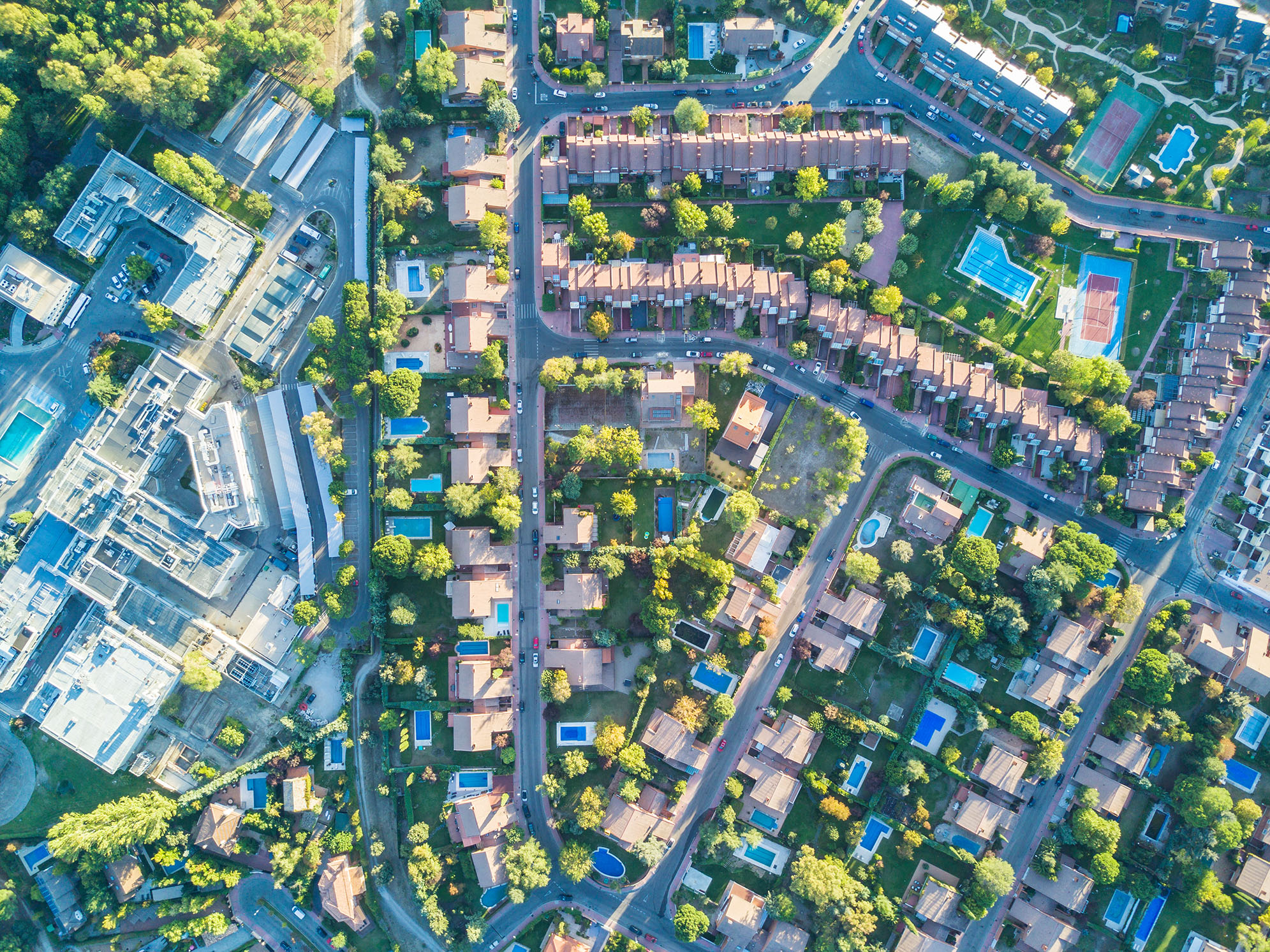
Built Environment

Built Environment

With rapid urbanization occurring worldwide, we address challenges with urban forms and structures that affect human well-being. The quality and design of the built environment can also exacerbate or mitigate social problems in the neighborhood and are important for promoting a more inclusive and equitable environment.

Urban form and structures · Urban vacancies · Walkable environment
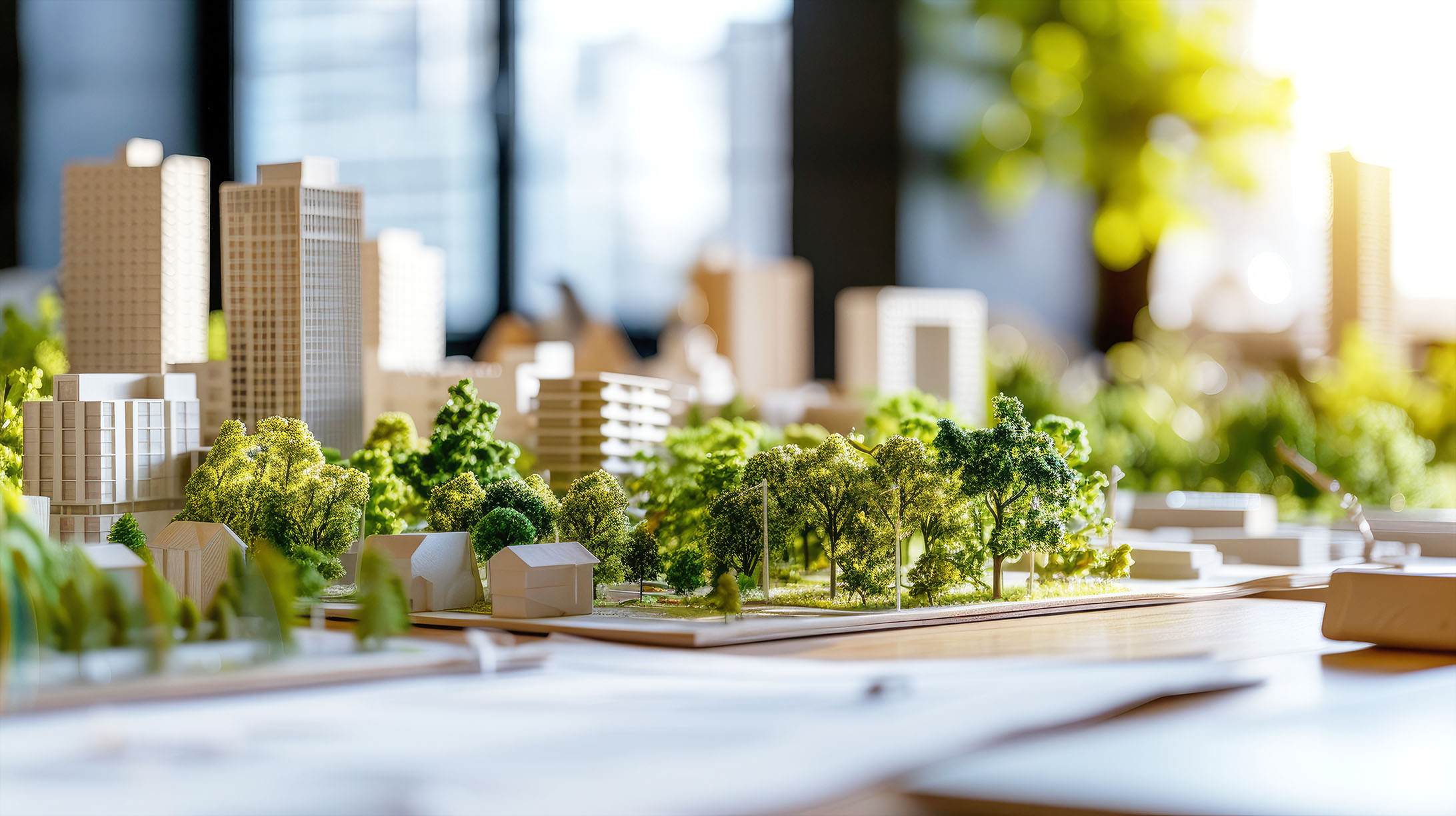
Green Infrastructure

Green Infrastructure

Green infrastructure includes diverse natural resources that could serve as an infrastructure in urban areas. We seek the benefits green infrastructure can bring and find spatial patterns linked to the socioeconomic characteristics of the neighborhoods from the perspective of environmental justice.

Tree canopy · Green spaces and parks · Low-impact development
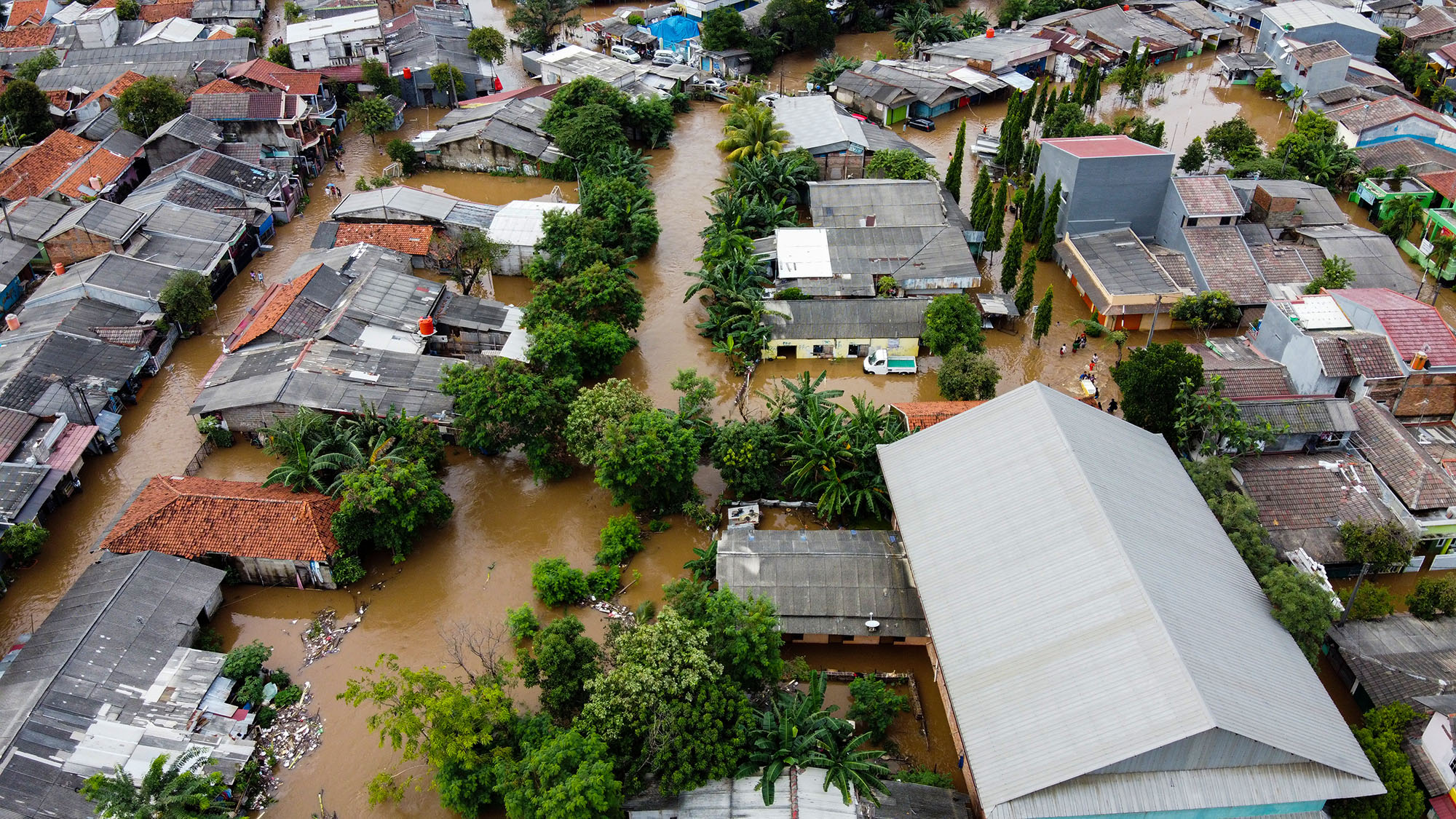
Climate Adaptation

Climate Adaptation

As the world's climate shifts in increasingly unpredictable ways, human adaptation to the environment and risk reduction are crucial. We analyze the current built environment and green infrastructure to recommend tools for climate adaptation.

Extreme weather events (heat, flooding, etc.) · Disaster mitigation, preparedness

Social Vulnerability

Social Vulnerability

Socially vulnerable communities face compounding challenges from environmental, economic, and physical conditions. We identify spatial patterns and develop policy recommendations that enhance quality of life, with a focus on environmental justice and equitable community development.

Environmental justice · Neighborhood change · Gentrification · Community wellbeing

Affiliations & Partners

Our Network

Publications

Recent Publications

Satisfied Enough to Take Action? The Role of Neighborhood Perceptions on Disaster Preparedness Behaviors in the United States

Lee, R.J. (2025). Journal of Planning Education and Research (JPER). DOI: 10.1177/0739456X251379291
View Article →

Neighborhood abandonment and quality of life: Evidence from the American Housing Survey

Lee, R.J., Newman, G., & Day, W. (2024). Cities. DOI: 10.1016/j.cities.2024.105011
View Article →
All Publications
Latest

Recent Updates

October 30, 2024

Land Cover Change and Tree Canopy Loss in San Antonio

Animated visualizations tracking San Antonio's rapid urbanization over 40 years using NLCD data — revealing how developed areas have grown while natural landscapes have diminished.

April 12, 2024

New Publication: Neighborhood Abandonment and Quality of Life

Dr. Lee published research in Cities exploring how neighborhood abandonment is negatively associated with neighborhood satisfaction, with a focus on socially vulnerable communities.

All Updates